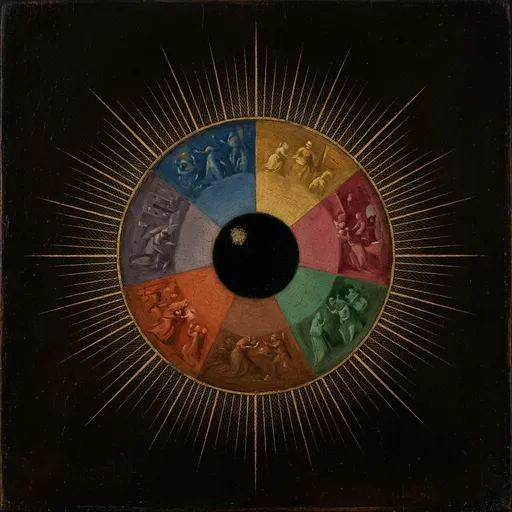
The Seven Deadly Sins Test Which sin owns you?
Honest statements, two minutes, no sign-up. You get a painted card and a seven-part wheel your friends will screenshot.
When a friend shares big news, I quietly compare my own life to theirs.
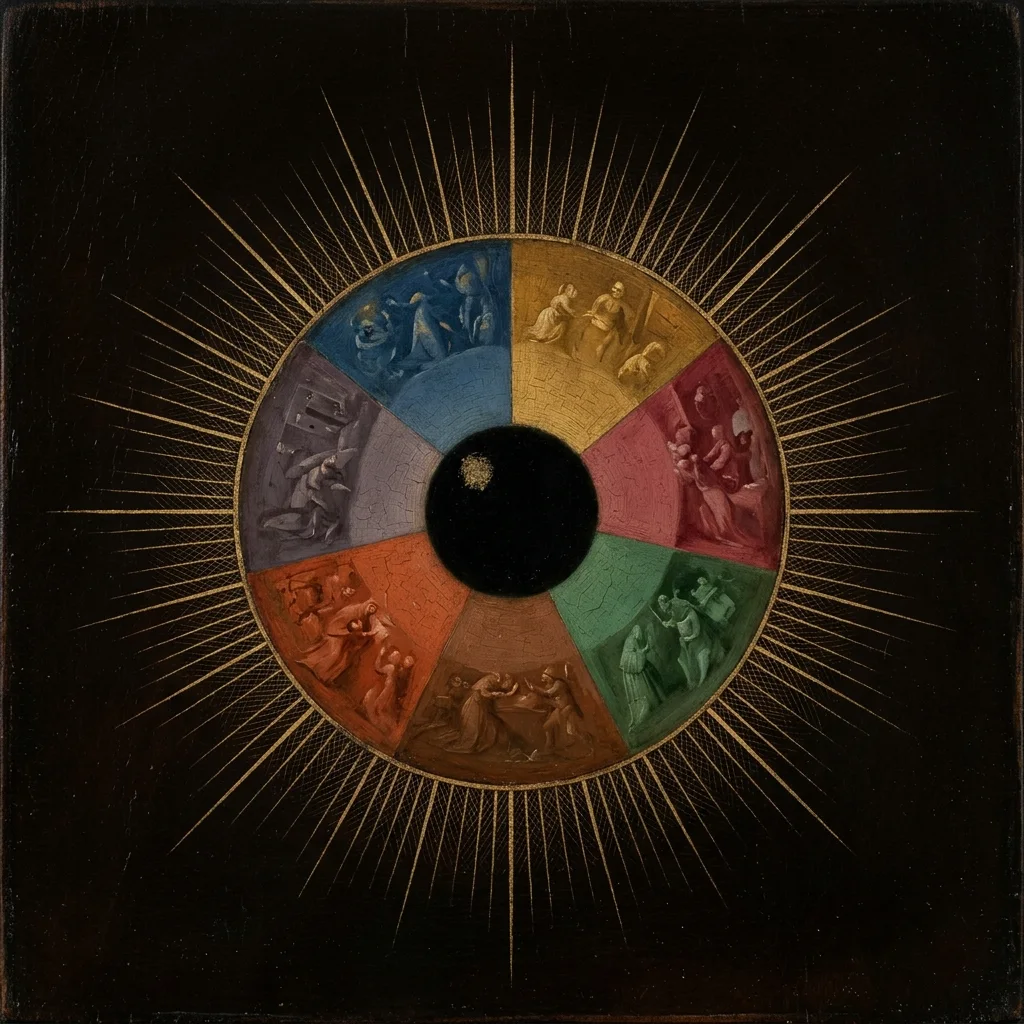
The seven
Seven cards. One is yours.

Pride
Superbia
High standards, fierce self-reliance, and an unspoken need to stand above the room.
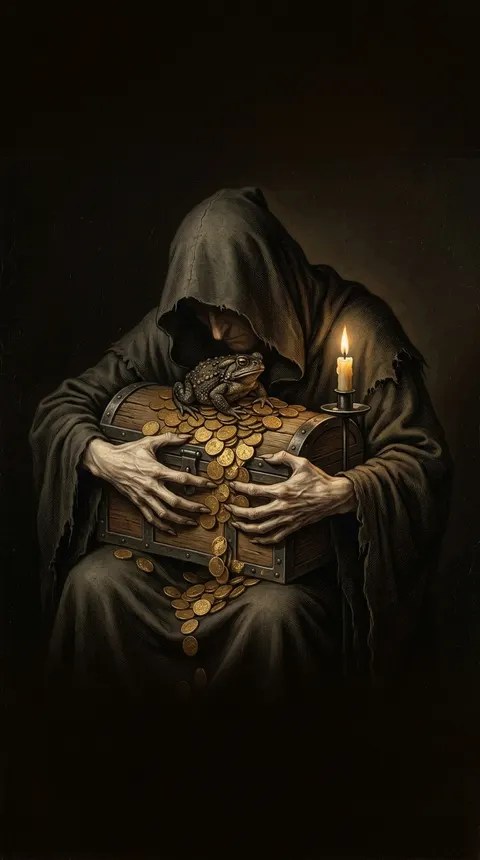
Greed
Avaritia
Strategic ambition, scarcity radar, and the restless urge to secure your share first.
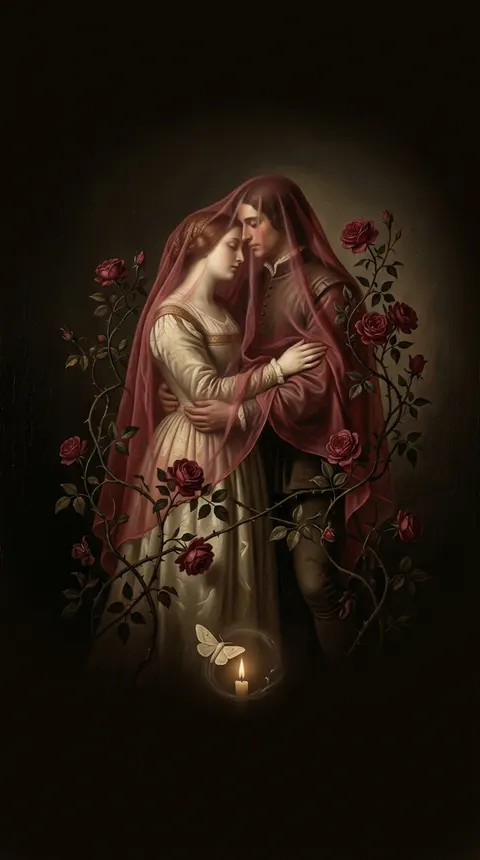
Lust
Luxuria
Magnetic hunger for chemistry, novelty, attention, and the thrill of the chase.
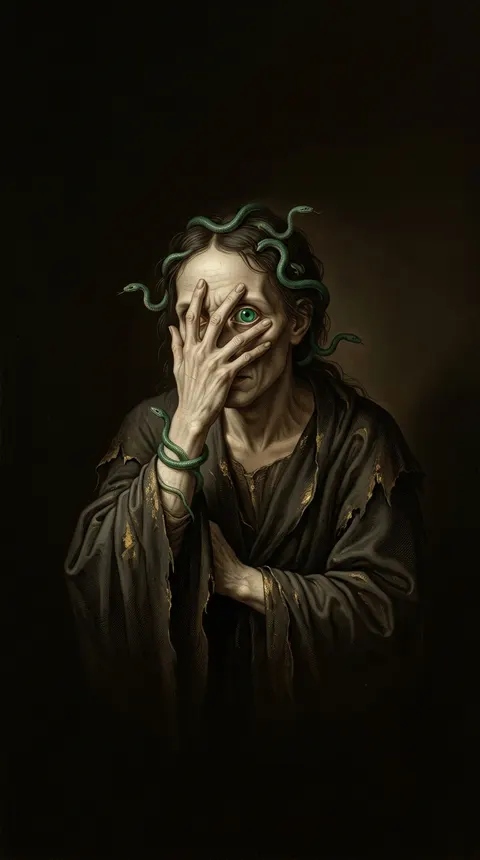
Envy
Invidia
Hyper-observant comparison radar that turns other people’s wins into private pressure.
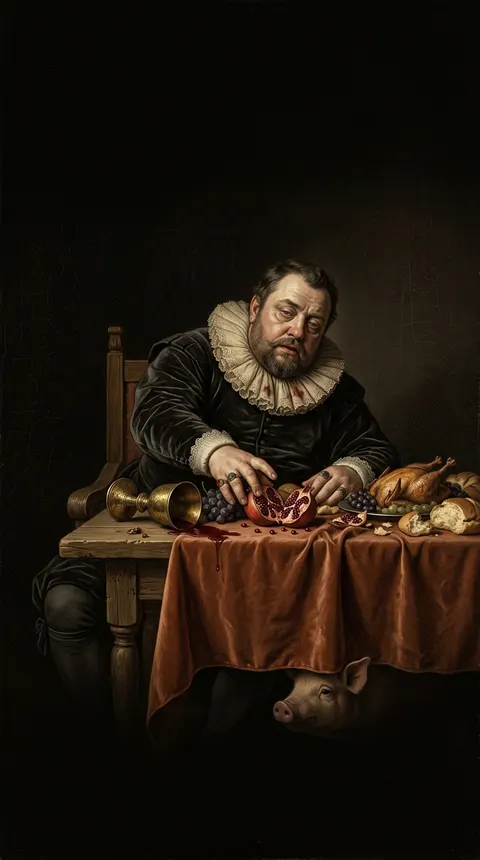
Gluttony
Gula
Overconsumption of comfort—snacks, episodes, tabs, shopping carts, and sensory escape.
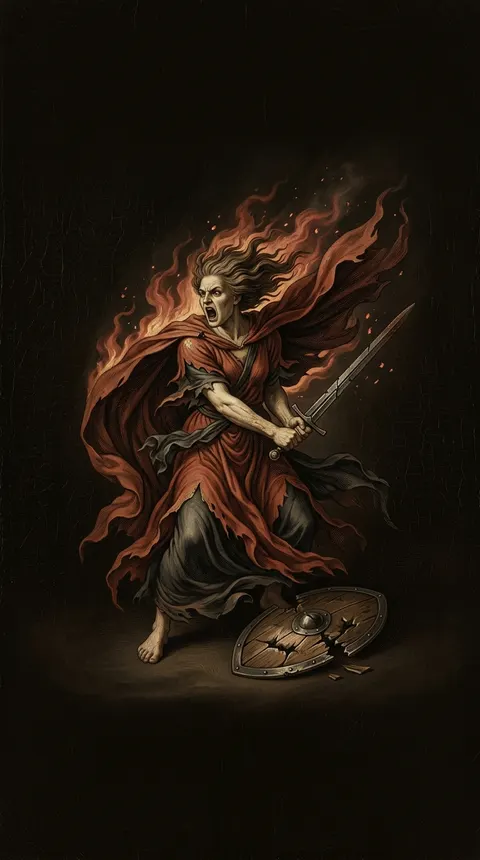
Wrath
Ira
Instant voltage against unfairness, sharp tongue under pressure, and long-burning memory.
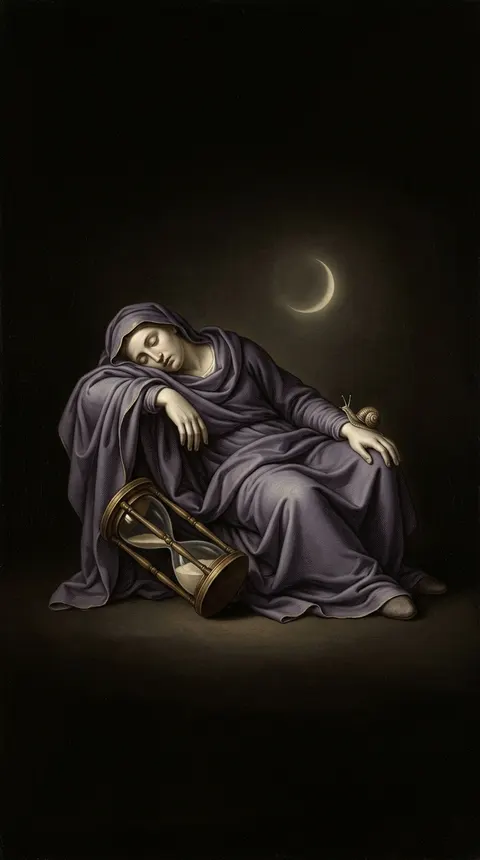
Sloth
Acedia
Masterful energy conservation, creative procrastination, and drifting past half-started plans.
How it works
How the Seven Deadly Sins Test reads you
Most personality quizzes flatten you into a single label. Nobody runs on one impulse. This test scores all seven at once — how you handle recognition, money, excitement, comparison, comfort, unfairness and effort in ordinary modern life.
Every statement is written in plain, everyday English, so you never need a dictionary halfway through. Choose the 28-statement standard version (four per sin) or the 14-statement express version. Each answer adds 0 to 4 points to its sin; the total becomes a clean 0–100% score and a wedge on your wheel, set against the average in your country.
Your top two sins combine into one of 49 archetypes — Pride × Wrath is The Velvet Tyrant, Gluttony × Sloth is The Midnight Hermit — with three blunt lines about you and one small habit that actually helps. People also search for it as the 7 deadly sins test; it is the same thing.
- 0–30%
- Dormant
- Rarely runs your choices.
- 31–59%
- Situational
- Shows up when you are tired, pressured or up too late.
- 60–79%
- Active
- A recognisable signature in your everyday trade-offs.
- 80–100%
- Ruling
- Your engine — and your blind spot.
The full maths and the research behind it are on the methodology page.
Reference
The 7 deadly sins, their virtues and their demons
Each sin has a Latin root, a demon from the old catalogues, an opposing virtue, and an average score across more than 48,600 people who have taken this test.
Origins
Why a 1,600-year-old list still describes you
I · 4TH CENTURY
Evagrius & Gregory
The desert monk Evagrius Ponticus listed eight recurring mental traps, calling the heaviest acedia — the restless inability to stay present. Around 590 CE Pope Gregory I trimmed the list to seven and named Pride the root of the rest.
II · 13TH CENTURY
Aquinas & Dante
Thomas Aquinas argued that every vice is a healthy desire pushed out of proportion — safety becoming Greed, love of excellence becoming Pride. Dante walked the idea up the seven terraces of Mount Purgatory.
III · TODAY
Personality research
Veselka, Giammarco & Vernon (2014, Personality and Individual Differences) found measurable links between the seven vices, the Big Five and the Dark Triad — one reason the old lens still feels uncomfortably accurate.
Questions
Frequently asked
What is the Seven Deadly Sins Test and what does it measure? +
The Seven Deadly Sins Test is a free, browser-based personality reflection tool that evaluates your everyday behavioral patterns across all seven classical capital vices: Pride, Greed, Lust, Envy, Gluttony, Wrath, and Sloth. Instead of forcing you into a single box, it gives you a 0–100% score for every sin, draws them as a seven-part wheel, and combines your top two into one of 49 archetypes.
Why do people search for both the 7 deadly sins test and seven deadly sins quiz? +
They are the same thing. The test went viral on TikTok photo carousels and Instagram Stories, where people post their seven scores and compare them with friends — so people search for it under both names.
Is this assessment free and private? +
Yes. Everything — the 28-statement test, the 14-statement express version, the 1080 × 1920 share slides and the friend challenge links — needs no sign-up, no email and no payment. Your answers are scored inside your browser.
Does this quiz contain religious or explicit questions? +
No. While the framework originates from fourth- and sixth-century moral philosophy, every statement measures secular, everyday modern habits—such as procrastinating on messages, comparing milestones on social media, or binge-watching past midnight. Lust is evaluated as a craving for intensity, novelty, and chemistry rather than explicit content, making it comfortable to share in any friend group.
How are my percentages and shadow archetype calculated? +
In Standard Mode, each of the seven tendencies is measured by four plain-English statements rated on a five-point scale from Strongly Disagree (0 points) to Strongly Agree (4 points), giving up to 16 points per sin before converting to a 0%–100% score. Your highest score picks your card; your runner-up decides which of the 49 archetypes you get.
How can I share my result on TikTok or compare with a partner? +
On your result, tap Share to save four 1080 × 1920 slides laid out for TikTok photo mode and Instagram Stories, or tap Challenge a friend. When your friend finishes the test from your link, both wheels are drawn on top of each other with a match score.
Which sin is the most common globally in 2026? +
Across more than 48,000 people who have taken this test, Sloth (Acedia) is the most common #1 sin at 19.9% (average score 64/100), followed by Envy (16.2%) and Pride (15.3%). Late-night scrolling and putting things off push Sloth ahead of everything else.
Is this related to The Seven Deadly Sins anime series? +
Our main assessment measures real-life personality tendencies rather than anime trivia. However, if you arrived looking to match with Meliodas, Ban, Escanor, Merlin, King, Diane, or Gowther, we also have a separate anime character quiz in the menu.